For decades, the hair care industry has sold us a simple narrative: Your scalp has germs. Kill the germs. Problem solved.
Except it's not that simple. And for many people, this approach has made their scalp problems worse, not better.
Welcome to the era of microbiome science — where we're learning that the healthiest scalps aren't the "cleanest" ones. They're the most balanced.
What Is the Scalp Microbiome?
Your scalp is home to an estimated one billion microorganisms per square centimetre — including bacteria, fungi, viruses, and mites (yes, really).
Before you feel disgusted: This is completely normal, healthy, and actually essential for your wellbeing.
These microscopic residents form an ecosystem called your scalp microbiome. Like the gut microbiome that's been extensively studied in recent years, your scalp microbiome plays a crucial role in:
- Protecting against harmful pathogens - Regulating inflammation - Maintaining skin barrier function - Producing beneficial compounds - Communicating with your immune system
Think of it this way: Your scalp isn't a battleground to be sterilised. It's a garden to be cultivated.
The Main Players in Your Scalp Ecosystem
Bacteria: The Good Neighbours
The dominant bacterial species on a healthy scalp belong to groups like:
Cutibacterium (formerly Propionibacterium) - Produces fatty acids that keep pH slightly acidic - Protects against harmful bacteria - Generally beneficial in balanced amounts
Staphylococcus epidermidis - Part of your skin's natural defence system - Produces antimicrobial peptides - Helps maintain skin barrier function
When these beneficial bacteria thrive, they occupy space and resources that would otherwise be available to problematic microbes — a concept called competitive exclusion.
Fungi: Not All Bad
Malassezia species are the primary fungi on your scalp. They: - Feed on sebum (the oil your scalp produces) - Are present on everyone's scalp - Become problematic only when they overgrow
This is crucial to understand: Malassezia isn't an infection. It's a natural resident. The problem isn't its presence — it's losing the balance that keeps it in check.
The Balancing Act
A healthy scalp microbiome maintains equilibrium. Beneficial bacteria and fungi coexist without any single species dominating. When this balance shifts — what scientists call dysbiosis — problems emerge:
- Seborrheic dermatitis (Malassezia overgrowth) - Scalp acne (bacterial imbalance) - Dandruff (mild dysbiosis) - Sensitivity and inflammation
How Modern Hair Care Disrupts Microbiome Balance
Here's the uncomfortable truth: Many products marketed as solutions to scalp problems are actually contributing to the problem.
1. Overly Harsh Cleansing
The Problem:
Most shampoos use strong detergents (sulphates like sodium lauryl sulfate) to create foam and remove oil. These don't discriminate — they strip away: - Excess sebum (good) - Beneficial skin oils (bad) - Protective bacteria (very bad) - The acidic pH environment bacteria need (extremely bad)
The Result:
Your scalp's natural defences are temporarily disabled. You might feel "clean," but you've created an opportunity for problematic microbes to colonise before beneficial ones can recover.
2. Alkaline pH Products
Your scalp's natural pH is around 4.5-5.5 (slightly acidic). Many shampoos have a pH of 7-10 (neutral to alkaline).
Why it matters:
- Beneficial bacteria thrive in acidic environments - Malassezia proliferates more easily in alkaline conditions - Alkaline pH weakens your skin barrier
Every time you use an alkaline shampoo, you're temporarily shifting your scalp's ecosystem toward dysbiosis.
3. Antimicrobial Ingredients
Products containing triclosan, chlorhexidine, or strong antifungals like ketoconazole have their place in treating active infections. But using them preventatively or long-term:
- Reduces overall microbiome diversity - Can lead to resistance - Removes beneficial microbes along with problematic ones - Creates a cycle of dependency
4. Over-Washing
Daily shampooing might seem hygienic, but it: - Constantly disrupts the microbiome before it can stabilise - Triggers your scalp to produce more oil (rebound sebum production) - Keeps your scalp in a perpetual state of recovery
Most people with scalp issues actually do better washing every 2-3 days, giving their microbiome time to re-establish between cleansing.
Environmental Factors That Affect Your Scalp Microbiome
Beyond products, several lifestyle and environmental factors influence microbiome balance:
Hard Water
If you live in a hard water area in the UK (check your postcode on your water company's website), the calcium and magnesium in your water can: - Disrupt your scalp's pH - Leave mineral deposits that bacteria can't thrive in - Interfere with how products work
Solution: Consider a shower filter, or do a final rinse with filtered water
Chlorine from Swimming
Regular swimmers often experience scalp issues because chlorine: - Kills beneficial bacteria - Damages the skin barrier - Shifts pH toward alkaline
Solution: Rinse immediately after swimming and use a gentle, pH-balanced product
Diet and Gut Health
Emerging research shows connections between: - Gut microbiome composition and skin microbiome health - High-sugar diets and yeast overgrowth - Omega-3 fatty acids and reduced inflammation
Stress
Chronic stress affects your skin microbiome through: - Cortisol changing skin oil production - Immune system changes affecting microbiome regulation - Increased inflammation allowing opportunistic microbes to thrive
The Microbiome-Friendly Approach to Scalp Care
If the goal is balance rather than sterilisation, what does that look like in practice?
1. Gentle, pH-Balanced Cleansing
Look for: - Sulphate-free shampoos - pH 4.5-5.5 (check labels or contact manufacturer) - Gentle surfactants like coco-glucoside - Frequency: 2-3 times per week for most people
Avoid: - Daily shampooing (unless you have very oily scalp) - Products that leave your scalp feeling "squeaky clean" - Alkaline bar soaps on your scalp
2. Prebiotics: Feeding the Good Guys
This is where scalp care gets exciting.
Prebiotics are compounds that beneficial microbes can metabolise (eat), giving them a competitive advantage over problematic microbes.
Evidence-based prebiotic ingredients for scalp:
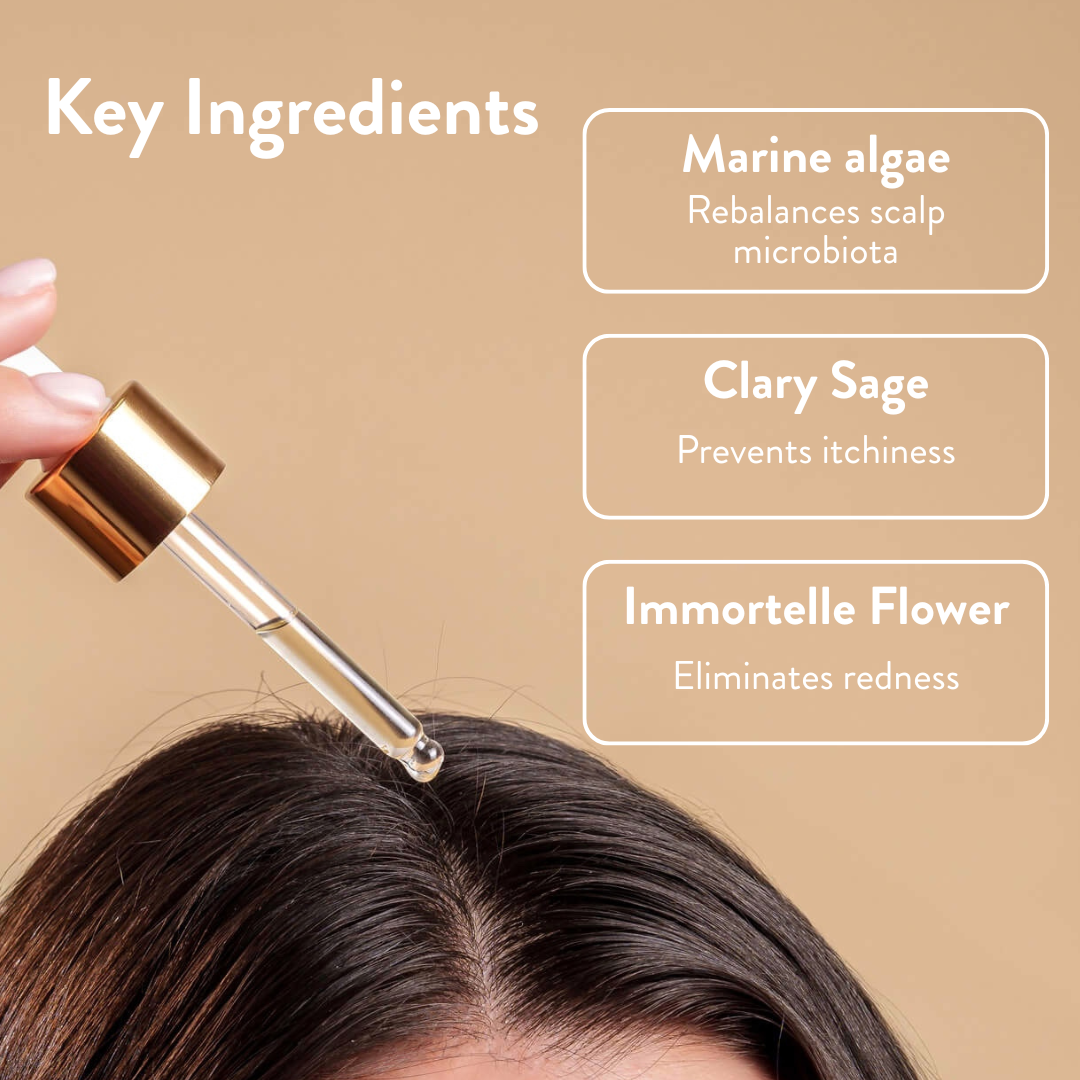
Marine algae polysaccharides - Support beneficial bacterial growth - Provide minerals that support skin barrier function - Have anti-inflammatory properties - Create an environment beneficial bacteria prefer
Inulin and other plant-derived prebiotics - Selectively feed beneficial bacteria - Available in some advanced scalp care products
Unlike probiotics (live bacteria that rarely survive in products), prebiotics are stable and work by supporting your existing beneficial microbes.
3. Maintaining Optimal pH
Practical steps:
- Choose products specifically formulated to be pH-balanced - Do a final rinse with diluted apple cider vinegar (1 tablespoon per cup of water) if you use alkaline products - Leave-in treatments with acidic pH provide ongoing support
4. Leave-In Support
Here's a key insight: Rinse-off products only interact with your scalp for minutes. Leave-in treatments provide hours of support.
Benefits of leave-in scalp treatments: - Continuous pH regulation - Ongoing prebiotic support for beneficial bacteria - Extended anti-inflammatory effects - No harsh rinsing action that can disrupt microbiome
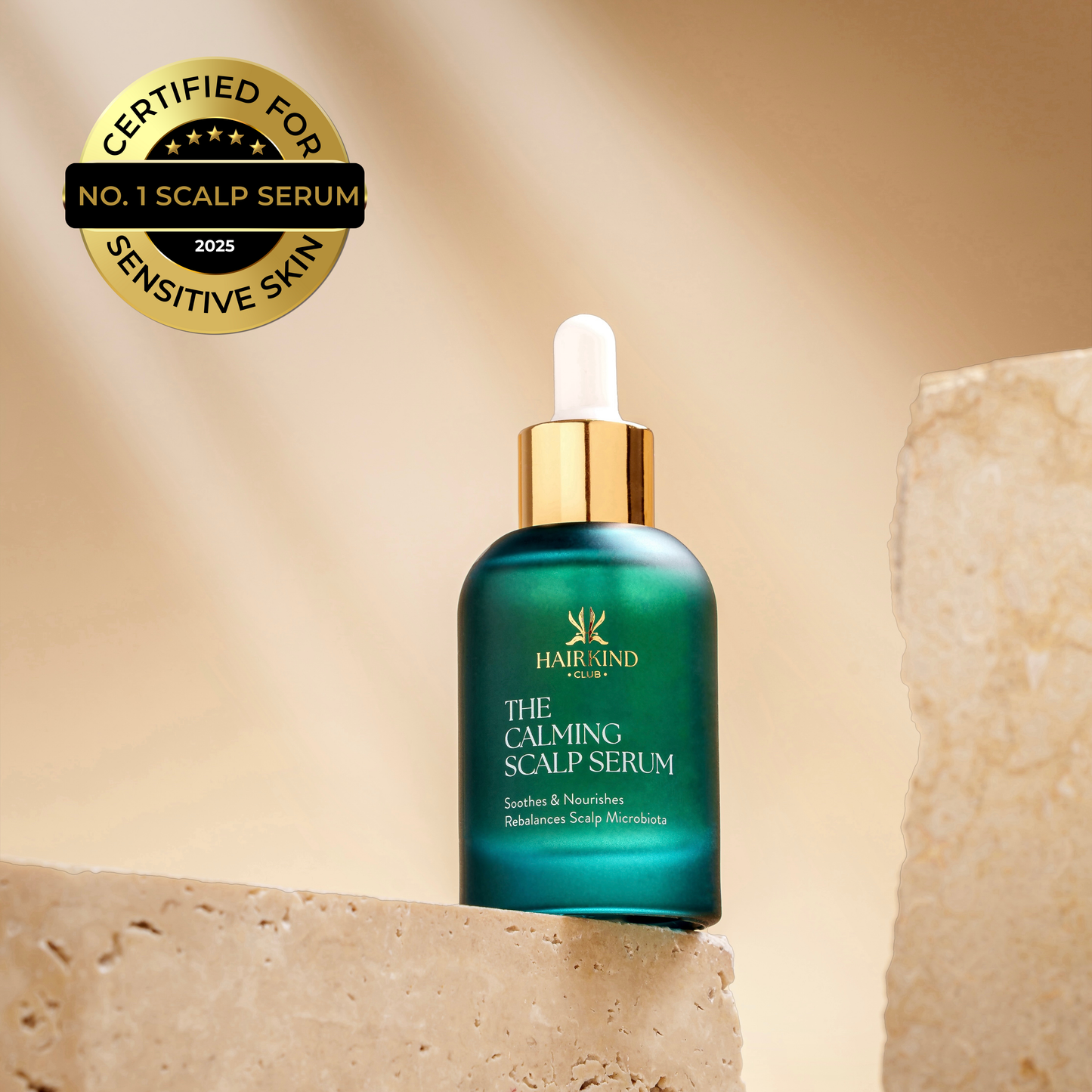
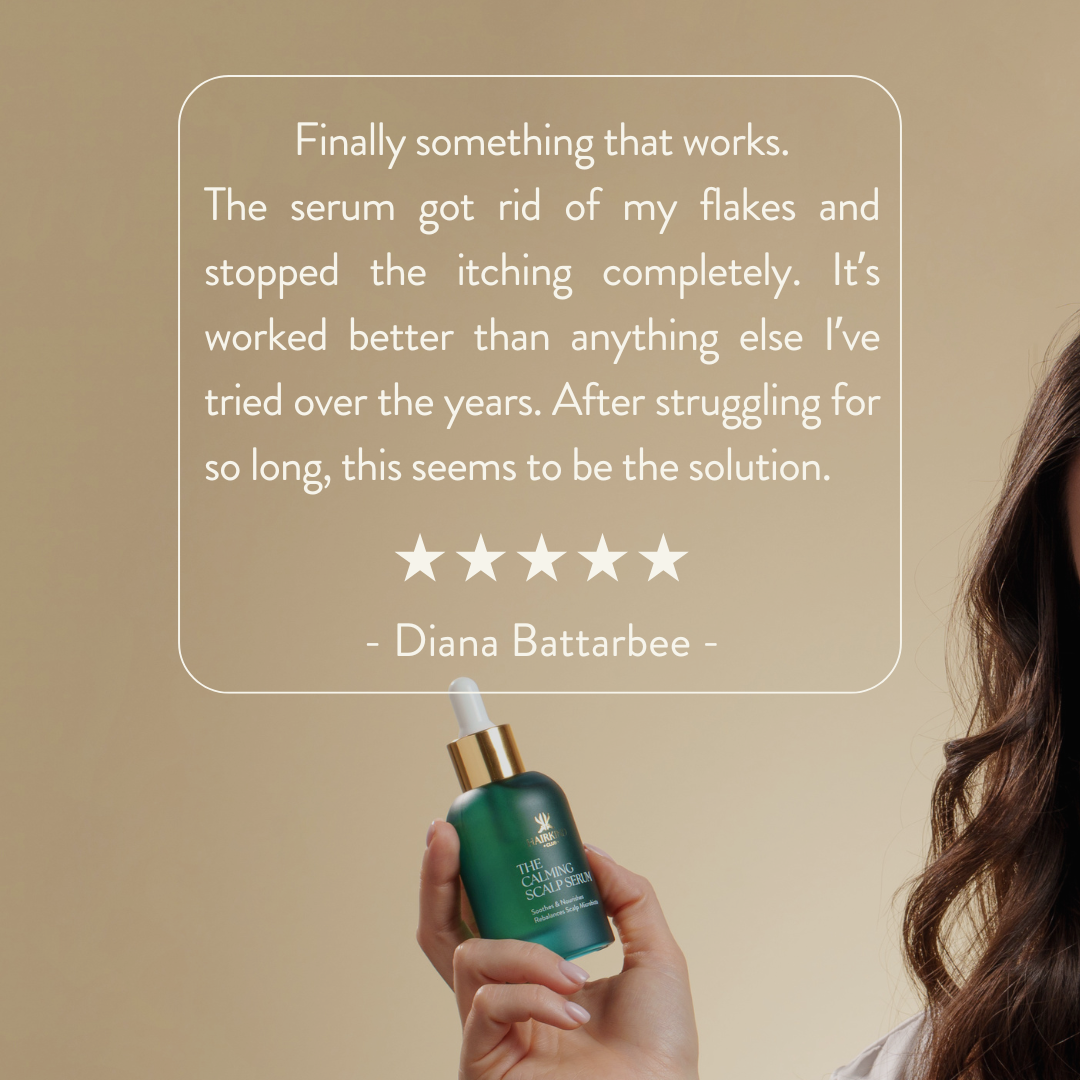
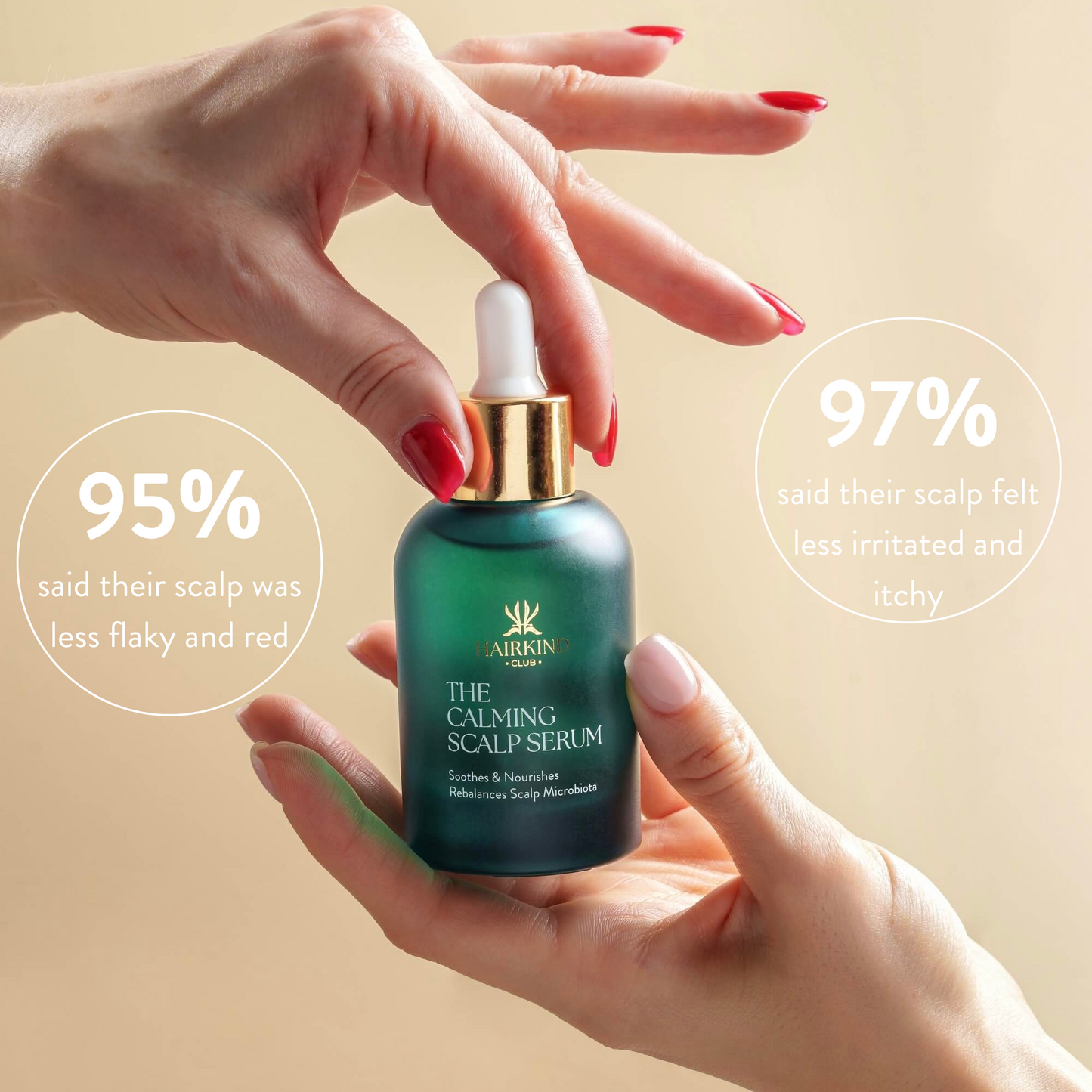
This is why at HairKind Club, we formulated The Calming Scalp Serum as a leave-in treatment:
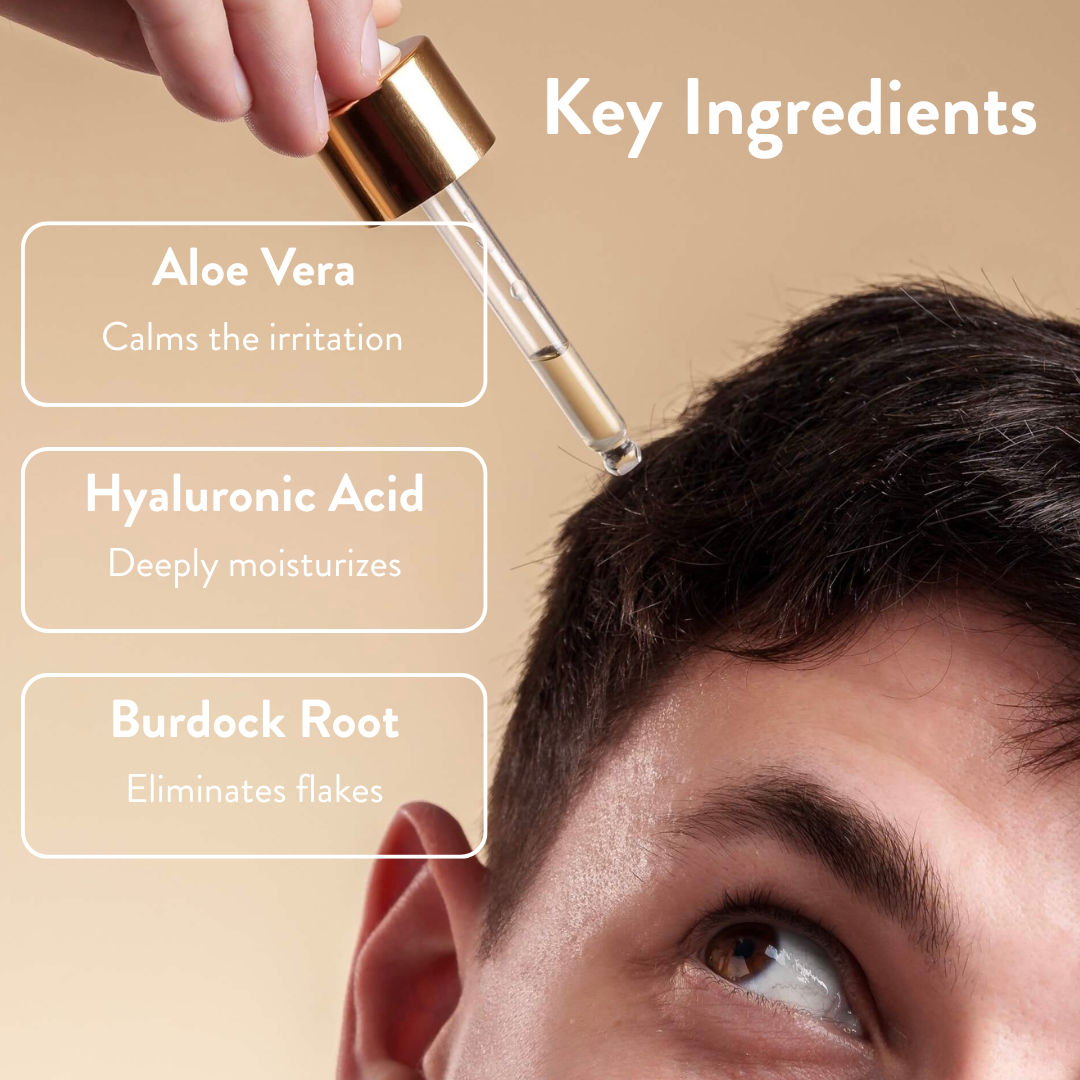
- Marine algae prebiotic continuously supports beneficial bacteria - pH 4.5 maintains your scalp's natural acidic environment - Microbiome-friendly ingredients (aloe vera, hyaluronic acid) support without disrupting - No harsh surfactants or antimicrobials that would damage the ecosystem
[Learn more about our microbiome approach](#)
How Long Does It Take to Restore Balance?
If your scalp microbiome has been disrupted by harsh products or environmental factors, how long does recovery take?
Research suggests:
- Initial improvement: 1-2 weeks of gentler care - Noticeable changes: 3-4 weeks with consistent microbiome-supporting routine - Full re-balancing: 2-3 months for complex dysbiosis like seborrheic dermatitis
During the transition:
- Your scalp might feel different (less "squeaky clean" — this is good) - You may experience a brief adjustment period if switching from harsh products - Consistency matters more than intensity
Signs Your Scalp Microbiome Is Balanced
You'll know you're on the right track when:
✓ Reduced itching and irritation ✓ Less flaking or scaling ✓ Improved scalp comfort between washes ✓ Ability to go longer between washes without discomfort ✓ Less redness and inflammation ✓ Overall scalp resilience (fewer flare-ups from normal triggers)
The Future of Scalp Care
Microbiome science is still relatively new in the hair care industry, but it's revolutionising how we think about scalp health.
Emerging developments:
- Microbiome testing to understand your unique scalp ecosystem - Postbiotic ingredients (beneficial compounds produced by good bacteria) - Personalised treatments based on your microbiome profile - Synbiotic formulations (prebiotics + specific beneficial strains)
For now, the most important shift is conceptual: Moving from "kill the bad" to "support the good."
Practical Action Plan
Ready to support your scalp microbiome? Start here:
Week 1-2: - Switch to a gentle, sulphate-free shampoo - Reduce washing frequency to every 2-3 days - Stop using antimicrobial products unless prescribed
Week 3-4: - Add a pH-balanced, prebiotic-containing leave-in treatment - Ensure you're using lukewarm (not hot) water - Consider a shower filter if you have hard water
Month 2-3: - Evaluate progress with photos - Adjust routine based on results - Consider addressing lifestyle factors (stress, diet, sleep)
Ongoing: - Maintain consistency - Be patient during seasonal transitions - View your scalp as an ecosystem to nurture, not a battlefield
Key Takeaways
✅ Your scalp hosts billions of beneficial microorganisms essential for skin health
✅ Many scalp problems stem from microbiome dysbiosis (imbalance), not poor hygiene
✅ Harsh, antimicrobial, alkaline products often worsen dysbiosis long-term
✅ Supporting beneficial bacteria through prebiotics, pH balance, and gentle care is more sustainable than trying to sterilise your scalp
✅ Recovery takes 2-3 months of consistent, microbiome-friendly care
---
Want to dive deeper into scalp health? - Read our guide: [Seborrheic Dermatitis: Complete UK Guide](#) - Understand: [Hair Loss and Seborrheic Dermatitis](#) - Explore: [The Calming Scalp Serum](#) formulated with microbiome science
References: - Journal of Investigative Dermatology: Scalp Microbiome in Health and Disease - International Journal of Cosmetic Science: Prebiotics in Skin Care Applications - British Journal of Dermatology: pH and Skin Microbiome - Frontiers in Microbiology: The Skin Microbiome in Seborrheic Dermatitis
*This article is for educational purposes and doesn't replace medical advice. Consult your healthcare provider for personalised guidance.*