For years, oils have been positioned as the ultimate scalp saviour.
Dry scalp? Oil it.
Flakes? Oil it.
Itching? Definitely oil it.
And yet, for many people, the moment they start oiling their scalp… things get worse.
More flakes.
More itch.
More redness.
If that’s been your experience, you’re not imagining it and you’re not doing anything “wrong.”
The truth is simple but rarely explained:
Not all scalps benefit from oils. And some scalps actively react to them.

The Truth About Oils for Seborrheic Dermatitis
& Dandruff
If you’re dealing with seborrheic dermatitis or persistent dandruff, you’ve likely tried everything - medicated shampoos, steroid lotions, “gentle” routines and eventually… natural remedies.
Oils are often the next stop.
They feel soothing. Comforting. Logical.
But here’s the part most people are never told:
These conditions are closely linked to a yeast called Malassezia. And some oils don’t calm it - they feed it.
That’s where the “oil paradox” begins.

Why Some Oils Backfire on the Scalp
Malassezia is a naturally occurring yeast that lives on the scalp. For most people, it’s harmless.
But in sensitive scalps, it can become overactive, triggering:
- Flakes
- Itch
- Redness
- Inflammation
- That “nothing ever works” feeling
Here’s the key detail:
Malassezia feeds on certain fatty acids found in many plant oils.
So when you apply the wrong oil, you’re not soothing the scalp, you’re fuelling the imbalance.

Oils & Lipids: Not All Are the Same
In hair and scalp care, you’ll see three broad categories:
1. Plant Oils & Butters
Coconut, olive, castor, jojoba, argan, shea, cocoa butter, etc.
They contain fatty acids that feel nourishing, but many of these fall right into Malassezia’s preferred “food range.”
2. Lipids
Fats and waxes used to soften, coat or seal moisture.
Helpful for some skin types, problematic for others, especially when inflammation is involved.
3. Essential Oils
Not true oils. They don’t contain fatty acids, but they are potent and need careful handling.

Oils Most Likely to Make Things Worse
If your scalp flares after oiling, these are common culprits:
- Coconut oil
- Castor oil
- Olive oil
- Jojoba oil
- Argan oil
- Sunflower oil
- Shea butter
- Cocoa butter
- Mango seed butter
- Beeswax (often overlooked)
They’re not “bad” oils.
They’re just wrong for Malassezia-prone scalps.
The Science Behind It (Without the Jargon)
Malassezia thrives on fatty acids with specific carbon chain lengths. Many popular oils are rich in exactly those fatty acids.
That’s why:
- Relief feels temporary
- Flakes return stronger
- Itch intensifies
- The scalp becomes reactive over time
This is also why oiling works beautifully for some people and terribly for others.
Oils That Are Generally Better Tolerated
Very few oils don’t feed Malassezia. These are the exceptions:
MCT Oil (Without Lauric Acid)
- Derived from coconut, but fractionated
- Contains shorter-chain fatty acids Malassezia can’t use
- Lightweight, fast-absorbing

Squalane
- Technically oil-like, but structurally different
- Non-greasy, soothing, well-tolerated
- Often used in sensitive-skin formulations

Mineral Oil
- Does not contain fatty acids
- Doesn’t feed yeast
- Can feel heavy and occlusive for some scalps

Even with these, patch testing matters. Sensitive scalps are individual.
Oil-Based vs Water-Based Soothing
This is where most routines go wrong.
Oil-Based Care:
- Seals moisture
- Coats the scalp
- Can trap heat, yeast, and irritation
Water-Based Care:
- Hydrates without feeding yeast
- Supports the scalp barrier
- Calms without residue
- Works with the scalp, not over it
For inflamed, flaky, reactive scalps, hydration beats occlusion almost every time.

Essential Oils: Friend or Foe?
Essential oils don’t feed Malassezia but they can still irritate if misused.
Some have antifungal and calming potential:
- Tea tree
- Peppermint
- Rosemary
- Lavender
- Eucalyptus
But they must be:
- Properly diluted
- Used sparingly
- Formulated thoughtfully
“More” is not better here.

How to Spot an Oil-Reactive Scalp
You might be oil-reactive if:
- Flakes worsen after oiling
- Itch increases instead of calming
- Redness lingers longer
- Relief never lasts
- The scalp feels hot or tight after application
If that sounds familiar, your scalp isn’t dry - it’s overstimulated.

Choosing the Right Products (What Actually Helps)
When dealing with dandruff, seborrheic dermatitis, or fungal-related flaking:
- Avoid heavy oils and butters
- Skip products that rely on oil “nourishment”
- Look for water-based, leave-in hydration
- Prioritise calming, barrier-supporting ingredients
- Patch test everything
A calm scalp heals faster than a stripped one.
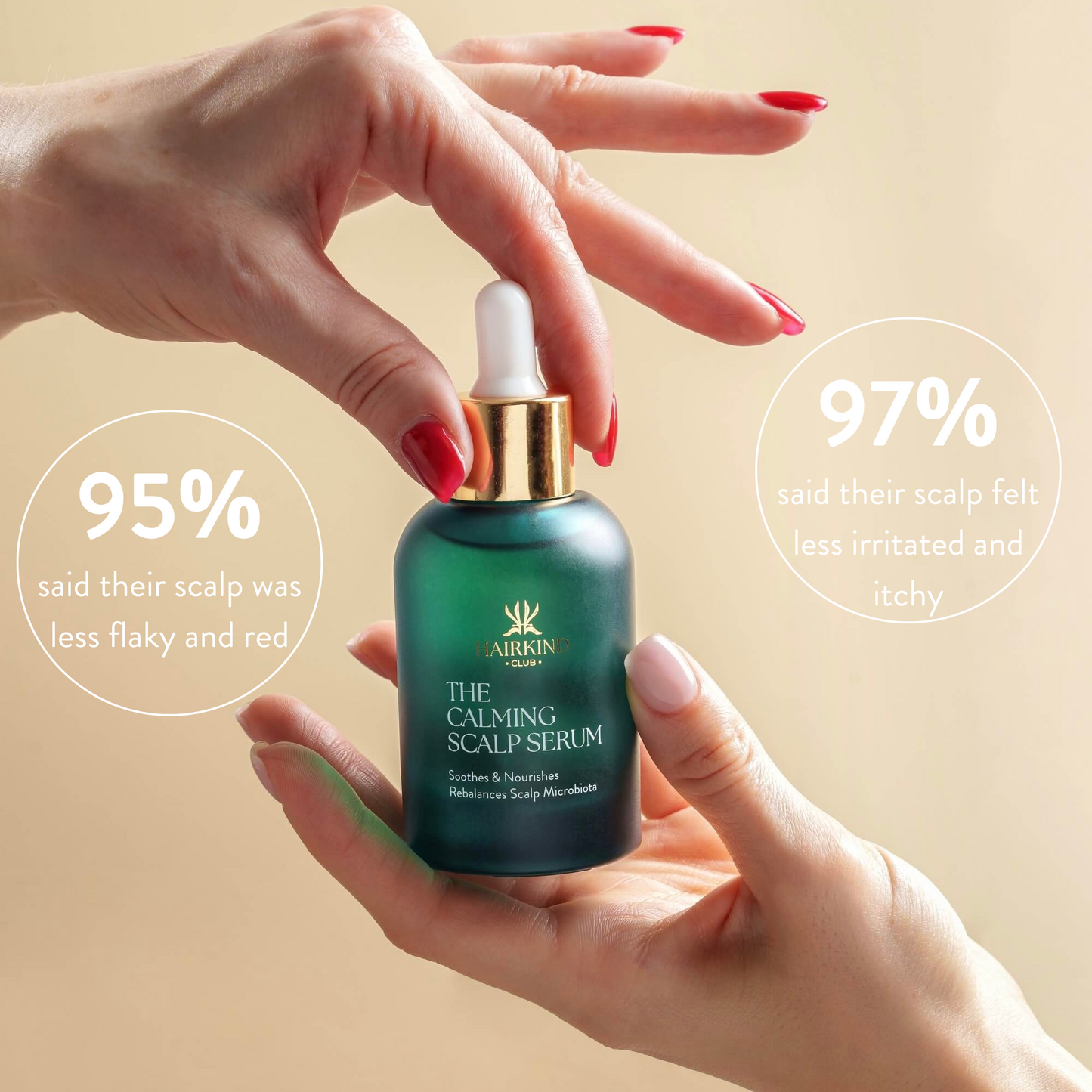
Where the Calming Scalp Serum Fits In
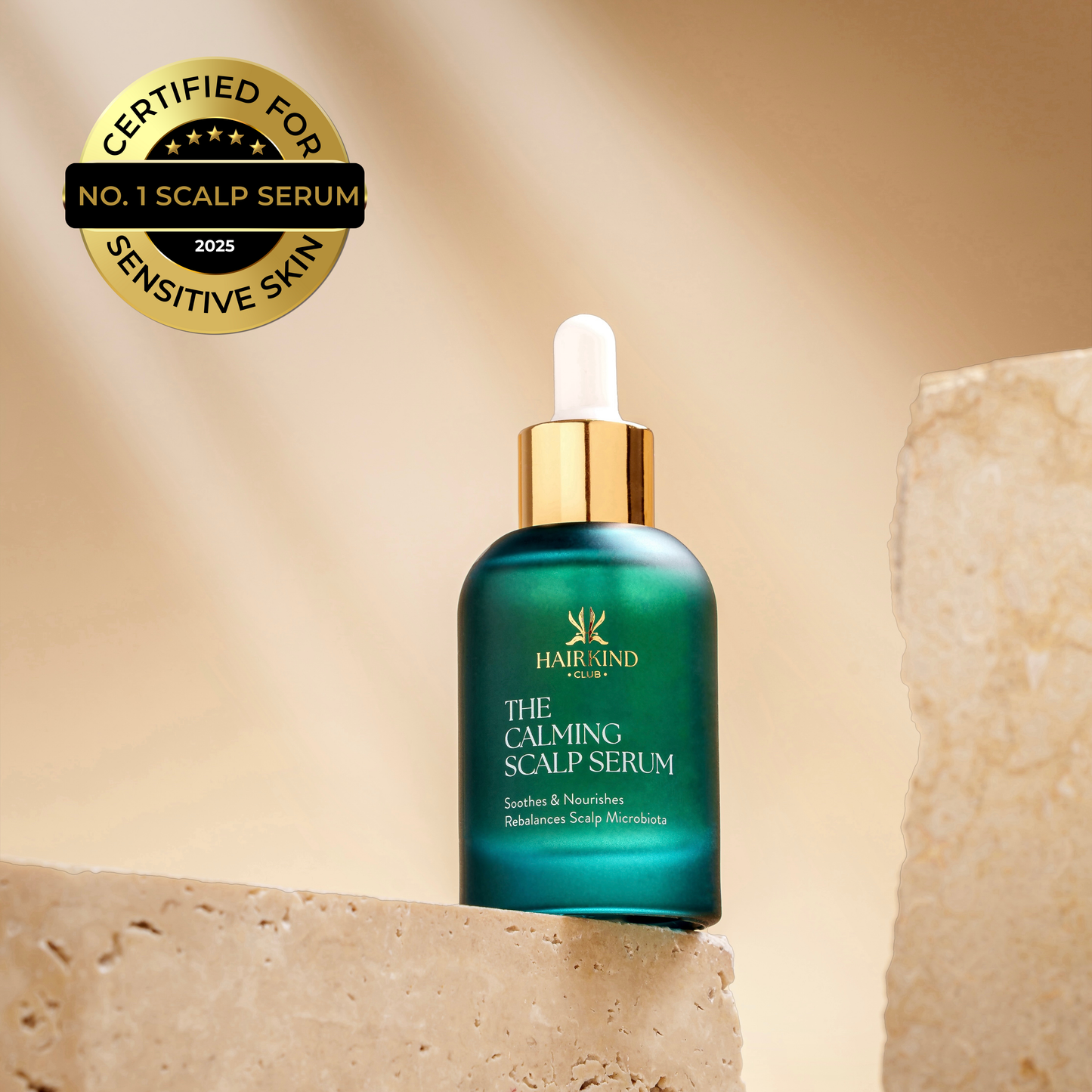
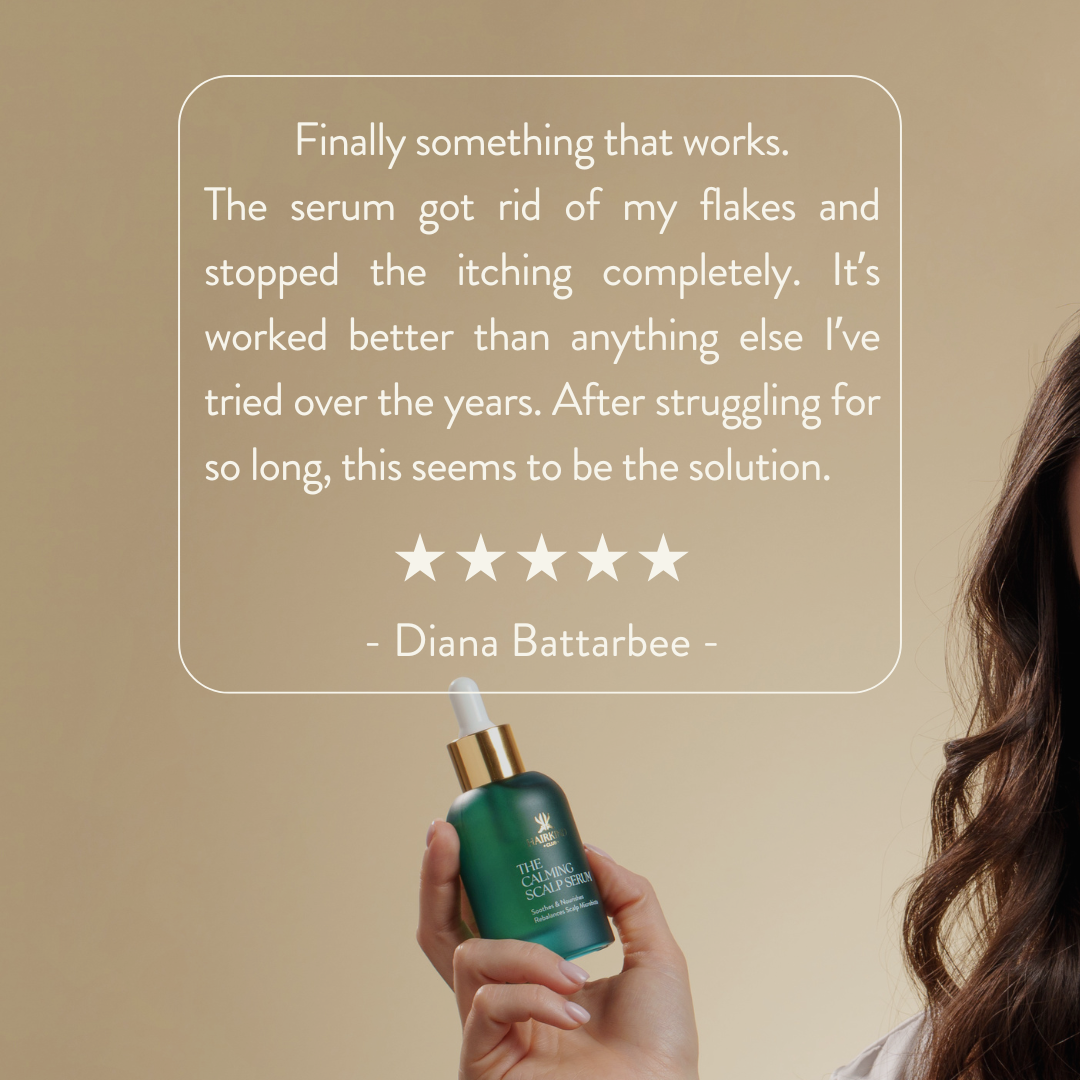
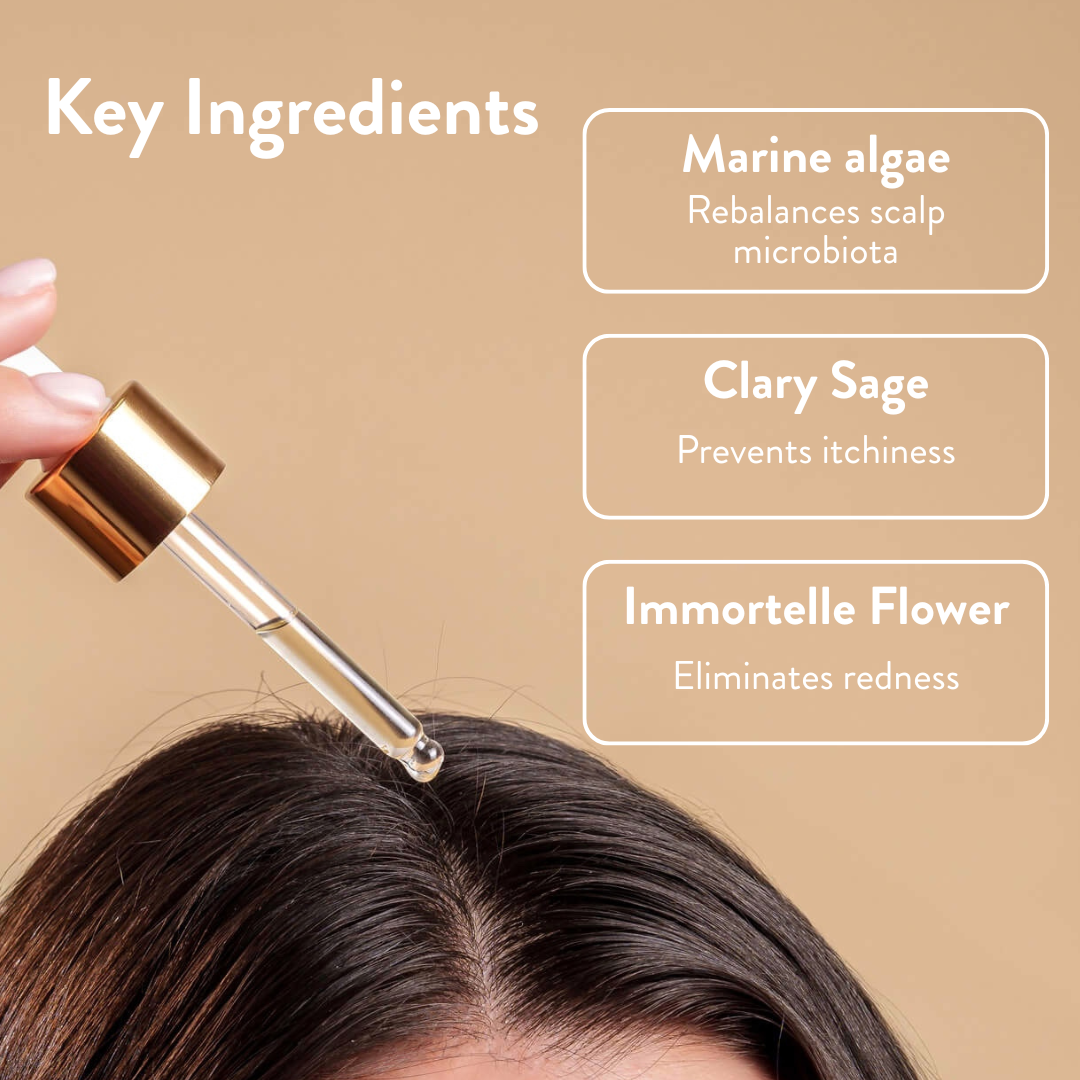
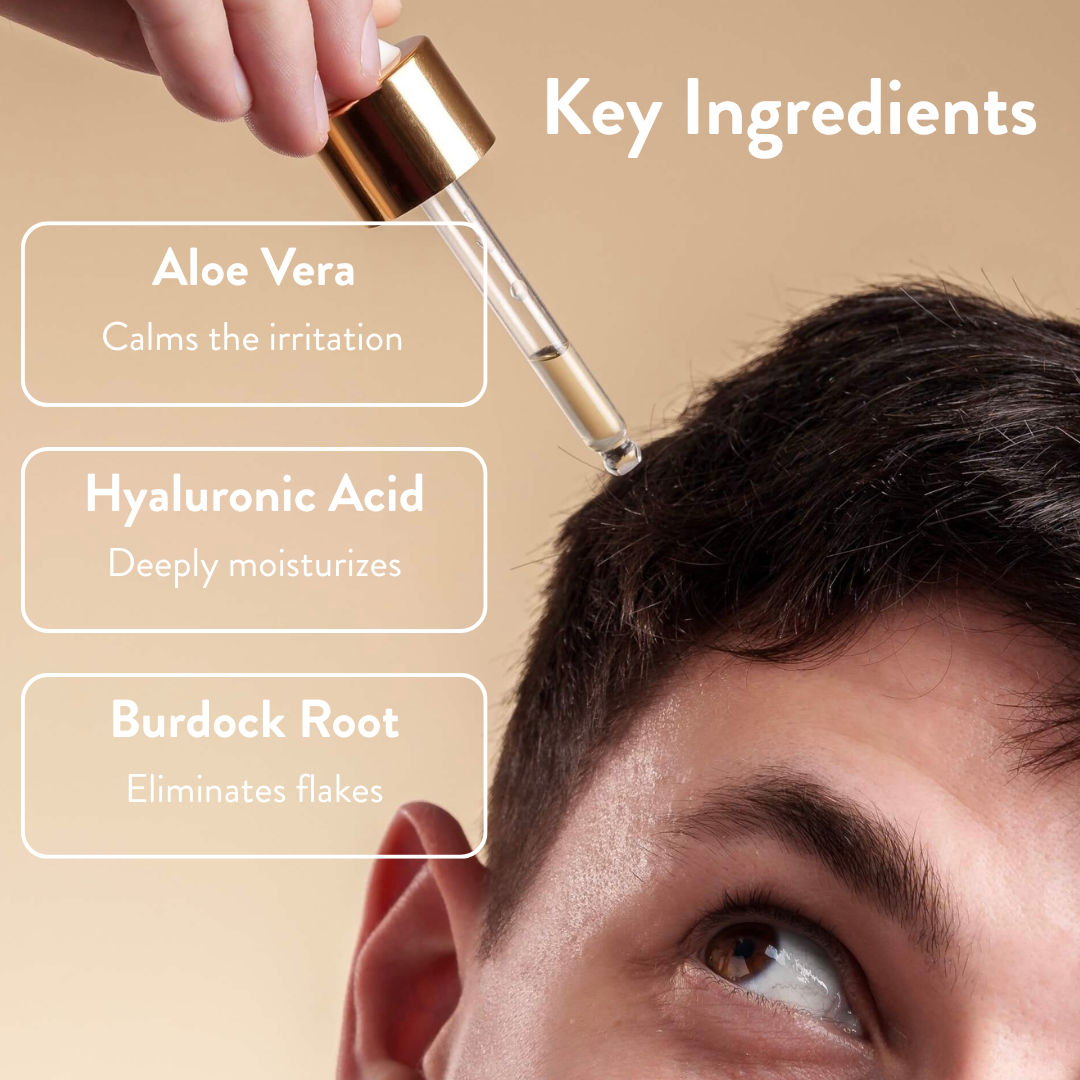
This is exactly why we formulated The Calming Scalp Serum the way we did.
- Water-based, not oil-based
- Lightweight, non-greasy
- Designed to hydrate, not feed flare-ups
- Supports balance instead of masking symptoms
It’s made for scalps that have already tried “everything” - including oils and realised comfort comes from calming, not coating.

Final Thought
Oils aren’t the enemy.
But they’re not universal medicine either.
If your scalp keeps reacting, it may be asking for something gentler.
Something lighter.
Something that works with its biology — not against it.
Sometimes, less oil is the most soothing choice of all.